
Table of Contents
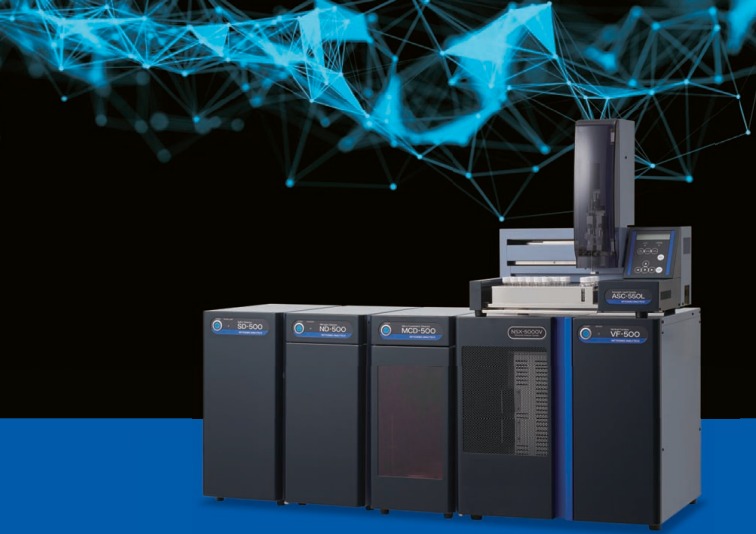
From upstream extraction to downstream refining and storage, accurate nitrogen measurements are needed to support safe operations and regulatory compliance. Due to this, nitrogen analyzers play a vital role in monitoring and controlling process conditions across the oil and gas industry.
Although nitrogen is widely used for inerting, purging, and blanketing, unwanted nitrogen compounds can affect product quality and emissions. As oil and gas facilities operate under increasingly strict safety and environmental standards, reliable nitrogen analysis is essential for modern process control.
Keep reading to uncover why nitrogen monitoring matters in oil and gas operations, how nitrogen analyzers work in industrial environments, and where they deliver the most value across refining, pipelines, and storage systems.
Why Nitrogen Monitoring Is Critical in the Oil and Gas Sector
Nitrogen monitoring is critical because nitrogen directly affects safety, efficiency, and product quality. In many oil and gas facilities, nitrogen is intentionally introduced to displace oxygen and reduce the risk of fire or explosion. However, excessive or uncontrolled nitrogen levels can also create operational issues.
In refining and processing units, nitrogen content influences reaction conditions and downstream separation. While in pipelines and storage tanks, maintaining the correct nitrogen concentration helps prevent;
- Corrosion
- Oxidation
- Formation of explosive atmospheres
Accurate nitrogen analysis also supports compliance with environmental and safety regulations, which increasingly require documented monitoring and reporting. Without continuous and reliable nitrogen measurement, operators may rely on assumptions or periodic sampling, which can increase risk and reduce process stability.
Common Sources of Nitrogen in Oil and Gas Processes
Nitrogen enters oil and gas systems from several sources, both intentional and unintentional. These are some of the major sources of nitrogen:
- Inert gas systems, where nitrogen is generated or supplied to purge equipment, blank storage tanks, or maintain positive pressure in pipelines.
- Unintentional nitrogen can enter through feedstocks, air ingress, or leaks in process equipment.
- Crude oil and natural gas may contain nitrogen compounds that carry through into refining and processing stages.
- Nitrogen oxides can form during combustion processes, affecting emissions control systems.
Each source presents different measurement challenges, making it important to select a nitrogen analyzer suited to the specific application and process conditions.
How Nitrogen Analyzers Work in Industrial Environments

Nitrogen analyzers are designed to measure nitrogen concentration or total nitrogen content in gases, liquids, or process streams. The operating principle depends on the analyzer type and the form of nitrogen being measured.
In gas-phase applications, nitrogen analyzers often work by measuring changes in physical or chemical properties, such as thermal conductivity or reaction-based detection. For liquid samples, total nitrogen analyzers typically involve sample preparation steps where nitrogen compounds are converted into a measurable form, followed by detection using established analytical techniques.
Industrial nitrogen analyzers are built to operate continuously and provide real-time data to control systems. They are commonly integrated with distributed control systems (DCS) or supervisory control and data acquisition (SCADA) platforms, enabling automated adjustments and alarms when nitrogen levels move outside defined limits. Robust design and resistance to process fluctuations are essential features for analyzers operating in oil and gas environments.
Types of Nitrogen Analyzers Used in Oil and Gas Applications
Several types of nitrogen analyzers are used across the oil and gas sector, depending on the measurement requirement and process conditions.
- Online nitrogen analyzers – installed directly in the process line and provide continuous monitoring. These are commonly used in pipelines, inert gas systems, and refining units where real-time data is critical.
- Total nitrogen analyzers – widely used in laboratories and online systems to measure nitrogen content in liquid hydrocarbons, wastewater, and process samples. They are particularly important for monitoring feedstock quality and environmental discharges.
- Portable nitrogen analyzers – often used for spot checks, maintenance activities, or safety verification during shutdowns and commissioning.
Selecting the right type depends on factors such as sample phase, concentration range, response time, and operating environment.
Nitrogen Analyzers in Refining and Petrochemical Processing
In refining and petrochemical plants, nitrogen analyzers support both process control and quality assurance. Nitrogen content can affect catalytic reactions, separation efficiency, and final product specifications.
During hydrotreating and reforming processes, monitoring nitrogen compounds helps protect catalysts from poisoning and degradation. Total nitrogen analysis of feedstocks allows operators to adjust operating conditions and maintain consistent output quality.
Nitrogen analyzers are also used in wastewater treatment systems within refineries, where nitrogen discharge limits are regulated. Accurate measurement ensures compliance with environmental standards while avoiding unnecessary treatment costs. By providing reliable data, nitrogen analyzers help refiners balance efficiency and compliance.
Role of Nitrogen Analyzers in Pipeline and Storage Safety
Pipelines and storage facilities rely heavily on nitrogen for safety management. Nitrogen blanketing is used to reduce fire risks and minimize corrosion in tanks and vessels. Nitrogen analyzers monitor the effectiveness of these systems by measuring nitrogen concentration and detecting air leaks or dilution.
In pipelines, nitrogen analysis supports pigging operations, commissioning, and decommissioning activities. Accurate nitrogen monitoring helps operators identify issues early, such as pressure losses or seal failures, before they escalate into safety incidents or costly downtime.
Challenges of Nitrogen Measurement in Harsh Operating Conditions
Oil and gas environments present several challenges for nitrogen measurement:
- High temperatures
- High pressures
- Corrosive substances
- Variable flow rates
All these can affect analyzer performance. Furthermore, sample contamination and fouling are common issues, particularly in liquid and wet gas applications, therefore, analyzers must be designed with appropriate materials and protective features to ensure long-term reliability.
Calibration stability is another challenge. Frequent process changes and harsh conditions can cause drift, requiring analyzers that maintain accuracy over extended periods with minimal maintenance. Addressing these challenges requires careful selection, proper installation, and ongoing support.
How Continuous Nitrogen Monitoring Improves Process Efficiency
Continuous nitrogen monitoring provides operators with real-time insight into process conditions, enabling faster and more informed decision-making. Instead of relying on periodic sampling, continuous analyzers detect changes immediately and allow corrective action before problems develop.
Improved visibility helps optimize nitrogen usage, reducing waste and operational costs. It also supports predictive maintenance by identifying abnormal trends that may indicate equipment issues. Continuous monitoring also enhances risk management by ensuring inerting systems perform as intended at all times. Overall, this leads to more stable operations and better resource utilization.
Get the Right Nitrogen Analyzer for Your Application with Sintech Scientific
Choosing the right nitrogen analyzer requires a clear understanding of your measurement goals and operating environment. Sintech Scientific provides analytical instrumentation solutions designed to meet the demanding requirements of the oil and gas industry. Their services include application assessment, system selection, installation support, and ongoing technical assistance to help ensure accurate and reliable nitrogen measurement.
Whether you require total nitrogen analysis for liquid samples or continuous monitoring for process control, Sintech Scientific offers high-quality, industry-aligned solutions.
Get in touch with them today to explore nitrogen analyzer options that suit your needs!