

Table of Contents
Understanding Root Canal Surgeryand When You Need It
When decay, trauma, or infection damages the inner structures of a tooth, root canal surgery becomes an important treatment option to save it. This procedure targets issues affecting the dental pulp, the soft tissue within the tooth that contains nerves, blood vessels, and connective tissues. When the pulp becomes inflamed or infected, the surrounding bone and gums may also be affected, leading to discomfort, swelling, and eventual tooth loss if left untreated.
In Singapore, individuals experiencing persistent tooth pain or infection often consider root canal surgery after initial assessments or non-surgical root canal treatments do not fully address the problem. At Dr Seah Root Canal + Implant Surgical Clinic, patients receive evaluations to determine the condition of the tooth and whether surgical intervention is necessary. Dr Seah manages a variety of cases involving infected or compromised teeth, providing treatments that include both non-surgical approaches and surgical options such as root canal surgery.
Why Root Canal Surgery Is Recommended for Certain Cases
Although many patients benefit from standard non-surgical root canal treatments, certain conditions indicate the need for surgical intervention. These may include:
- An infection that persists despite prior treatment
- Anatomical complexities within the root
- Small fractures or hidden canals that cannot be accessed through conventional methods
- Cysts or infected bone around the root tip
- Calcified canals that limit access
When these issues arise, root canal surgery helps address areas that are not reachable using sndard instruments.
The procedure is often recommended as part of endodontic treatment in Singapore; patients receive it when deeper cleaning or removal of infected tissue is required. By removing infection at the root tip, the tooth has a better chance of long-term stability.
How Root Canal Surgery Can Help Save Your Natural Tooth
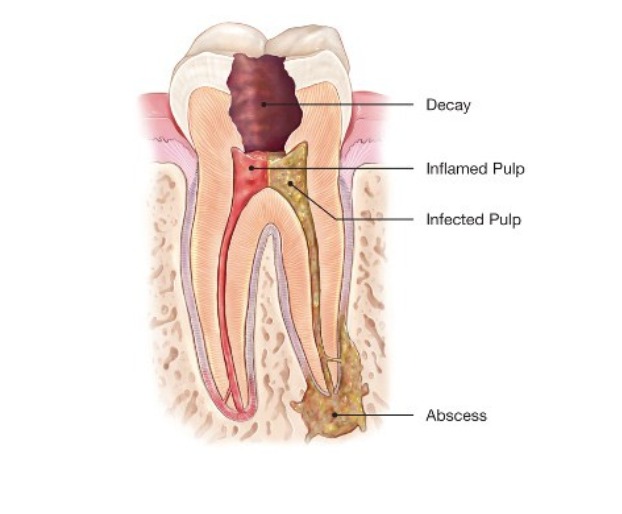
The primary goal of root canal surgery is to retain your natural tooth. Tooth extraction may seem like a simpler option, but losing a tooth can lead to misalignment, shifting of surrounding teeth, reduced chewing efficiency, and the potential need for future replacement solutions.
Root canal surgery preserves the structure of the tooth by:
- Removing infected tissues hidden deep within the root
- Eliminating bacteria that continue to cause discomfort or swelling
- Preventing further spread of infection to nearby teeth or gums
- Supporting long-term function, allowing you to chew comfortably
Many people are surprised that preserving the natural tooth is often more effective for long-term oral health than extracting and replacing it, especially when the infection is localised and treatable.
As part of a comprehensive tooth infection treatment, root canal surgery helps prevent complications that can arise when infection is ignored or when non-surgical treatments cannot fully resolve the issue.
What Happens During Root Canal Surgery?
Root canal surgery, sometimes referred to as apicoectomy, is a structured procedure performed to clean and seal areas that are unreachable during conventional treatments. While each case differs, the process follows a clear series of steps:
1. Examination and Planning
Dr Seah performs an assessment to evaluate how far the infection has spread. X-rays help reveal root structure, bone condition, and any hidden canals or fractures.
2. Accessing the Root Tip
A small incision is made in the gum tissue near the affected tooth. This exposes the underlying bone and gives access to the root tip where the infection persists.
3. Removal of Infected Tissue
The inflamed or infected tissue surrounding the root tip is carefully removed. If there is a cyst or infected bone, it is also cleaned out to prevent recurring issues.
4. Root-End Filling
A small portion of the root is trimmed, and the end is sealed with a filling material to prevent bacteria from re-entering the canal.
5. Healing and Recovery
The gum tissue is then sutured to allow healing. Minor soreness is expected, but it typically resolves within a few days. An endodontist specialising in root canal surgery will ensure it is a pain-free root canal option/procedure, which helps reduce discomfort.
This structured approach makes root canal surgery an important part of the patient journey when dealing with persistent infections.
Signs That May Indicate You Need Root Canal Surgery

Not all symptoms automatically mean surgery is required, but some signs may suggest that infection has progressed deeper into the tooth or surrounding tissues:
- Pain that persists even after initial treatment
- Swelling near the gums or jaw
- Sensitivity that lingers after exposure to heat or cold
- Pain when biting or chewing
- A pimple-like bump on the gum
- Discolouration of the affected tooth
If you experience ongoing issues after non-surgical treatment, speaking with Dr Seah about further examination can help determine whether surgery might be necessary.
Cost Considerations for Root Canal Surgery in Singapore
The root canal procedure cost in Singapore varies depending on several factors, including:
- The type of tooth involved (front teeth often have simpler structures than molars)
- The severity of infection
- Whether prior treatments were performed
- The presence of cysts or bone infection
- The materials used to treat and seal the area
Since root canal surgery is more complex than non-surgical treatments, the cost is typically higher. During a consultation, Dr Seah explains what to expect based on the condition of the affected tooth and the steps required to preserve it.
How Root Canal Surgery Fits Into Broader Endodontic Care
Root canal surgery is not always the first recommendation. It is often part of a broader strategy of diagnosis, non-surgical treatment, evaluation, and then surgery if required. It complements other approaches such as dental pulp therapy, which is used to treat inflammation within the pulp chamber.
Each tooth is unique, so care is tailored to the individual’s needs and the severity of the infection. This collaborative approach helps patients understand why surgery may be recommended and how it supports long-term oral health.
Book a Consultation to Preserve Your Tooth Health Today
If you’re experiencing ongoing discomfort or suspect a deeper infection, early evaluation can help prevent complications and protect your natural tooth. Root canal surgery is an effective way to treat infections that cannot be resolved with non-surgical methods.
Reach out to Dr Seah at Dr Seah Root Canal + Implant Surgical Clinic to schedule an assessment and explore suitable treatment options for your condition.