
Table of Contents
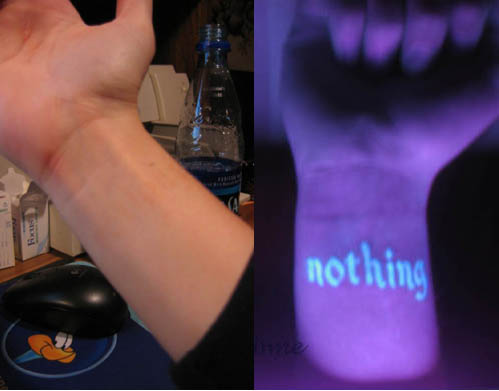
UV tattoos, also known as blacklight tattoos, have become one of the most talked-about tattoo trends in recent years. These tattoos are almost invisible under normal lighting but glow brightly under ultraviolet or black light. Because of their unique appearance, UV tattoos are especially popular at nightclubs, music festivals, parties, and raves.
At first glance, they look futuristic, stylish, and eye-catching. Many people choose UV tattoos because they want something different from traditional ink. However, behind the glow, there are some important risks and considerations that everyone should understand before getting one.
Let’s explore what UV tattoos are, why they are popular, and the potential health concerns associated with them.
What Are UV Tattoos?
UV tattoos are created using special inks that react to ultraviolet light. Under normal daylight, these tattoos may look faint, white, or completely invisible. But when exposed to black light, they glow in bright colors like blue, purple, green, or pink.
Some people get fully UV tattoos, while others combine UV ink with regular tattoo ink to create hidden designs or glowing highlights. This makes UV tattoos appealing for people who want a “secret” tattoo that only appears in certain lighting conditions.
Why Are UV Tattoos So Popular?
There are several reasons why UV tattoos have gained popularity:
1. Unique and Stylish
UV tattoos stand out because they are different. Not everyone wants a bold, visible tattoo, and UV ink offers a more subtle option with a surprise element.
2. Perfect for Parties and Festivals
Because they glow under black light, UV tattoos are especially popular among people who attend nightclubs, concerts, and festivals.
3. Hidden in Daily Life
Some people choose UV tattoos because they are less noticeable at work or in formal settings, where visible tattoos might not be accepted.
While all of this sounds exciting, there is another side to the story.
The Hidden Risks of UV Tattoo Ink
The biggest concern surrounding UV tattoos is ink safety.
Unlike traditional tattoo inks, UV inks are not always well regulated. Some UV tattoo inks may contain phosphorous or other chemicals that are not commonly used in standard tattoo ink.
Possible Health Risks Include:
- Skin irritation
- Allergic reactions
- Rashes or itching
- Long-term skin sensitivity
- Inflammation or delayed healing
In some cases, people have reported reactions months or even years after getting a UV tattoo, especially when exposed to sunlight or UV light frequently.
Are UV Tattoo Inks FDA Approved?
This is where things get tricky.
As of now, no tattoo ink — including UV ink — is officially FDA-approved for injection into the skin. However, traditional tattoo inks have been used for decades and are generally considered safer when applied by professionals.
UV tattoo inks, on the other hand, are newer and less tested. Some inks marketed as “safe” still lack long-term scientific studies on their effects.
This uncertainty makes UV tattoos a higher-risk choice compared to regular tattoos.
Healing and Longevity Issues
Another downside of UV tattoos is that they often fade faster than traditional tattoos. UV ink is more sensitive to sunlight, and frequent exposure can reduce the glow over time.
Additionally, UV tattoos may:
- Take longer to heal
- Be more prone to uneven fading
- Require touch-ups more often
Some people also report that UV tattoos feel more painful during the tattooing process, possibly due to differences in ink composition.
Safety Tips Before Getting a UV Tattoo
If you’re still considering a UV tattoo, here are some important safety tips:
1. Choose an Experienced Tattoo Artist
Only go to a professional tattoo artist who has experience with UV ink and understands proper hygiene and technique.
2. Ask About the Ink
Ask exactly which UV ink is being used. Reputable artists should be transparent about ink brands and ingredients.
3. Do a Patch Test
Request a small patch test before getting the full tattoo. This can help detect allergic reactions early.
4. Avoid Sun Overexposure
Limit direct sunlight and excessive UV exposure after getting the tattoo to reduce irritation and fading.
5. Follow Aftercare Instructions
Proper aftercare is essential. Keep the area clean, moisturized, and protected during healing.
Are UV Tattoos Worth It?
UV tattoos can look amazing under the right lighting, but they are not for everyone. The lack of long-term research, potential health risks, and faster fading make them a more cautious choice.
For people with sensitive skin, allergies, or existing skin conditions, UV tattoos may not be a good idea at all.
If you’re looking for a safer alternative, some tattoo artists now offer white ink tattoos or subtle minimalist designs that don’t involve UV-reactive chemicals.
Final Thoughts
UV tattoos are undeniably cool and visually striking, especially in nightlife settings. However, the glow comes with potential risks that shouldn’t be ignored.
Before getting a UV tattoo, take the time to research, consult professionals, and think about long-term effects — not just short-term style.
Thinking about getting one?
Make sure you understand both the beauty and the risks before making a permanent decision.